讲解人 · Jamie

原文
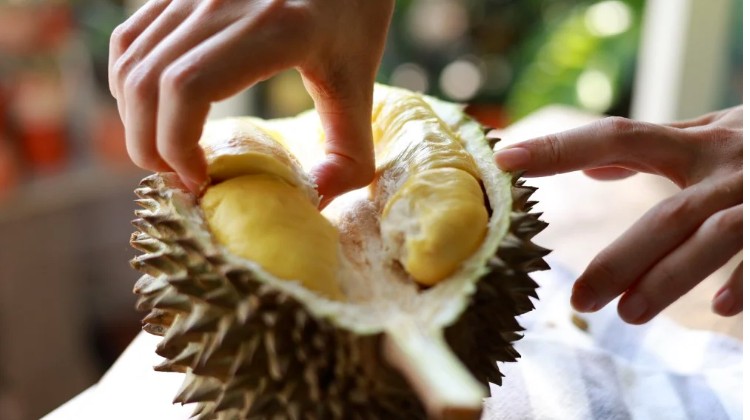
In Malaysia, a group representing durian producers wants it to be formally recognized as Malaysia’s national fruit.
But making durian Malaysia’s national fruit also appears to have stoked divisions across the region.
Indonesia’s Coordinating Ministry for Food Affairs said that Indonesia actually has a stronger claim to the fruit because it produces more of it.
The latest durian quibble reflects a broader debate over national foods across Nusantara.
Experts say such fights over ownership and heritage can be myopic.
“They came from a shared cultural world, not from isolated nation states, “ says Khir Johari, author of “The Food of Singapore Malays”.
“People moved freely across islands and coastlines.
They carried ingredients, tools and cooking ideas with them.”
The mobility of Malay people between coasts has meant that those foods transcend modern national borders, according to Fanada Sholihah, a doctoral student in history at the University of Indonesia.
“The colonialism of the 19th century established geopolitical boundaries that disrupted these interconnected culinary heritages as nationalist sentiments intensified, “ Fadly Rahman, a food historian at Padjadjaran University in Indonesia, wrote in his research for the Asia Research Institute.
Now, “Labels like national dish often trigger conflict because people forget how current geopolitical boundaries actually came into being, “ says Khir.
But Khir says a better model exists.
In 2020, Algeria, Morocco, Tunisia and Mauritania successfully submitted couscous to UNESCO for intangible cultural heritage status.
“They chose to acknowledge a shared inheritance rather than fight over it, “ he says.
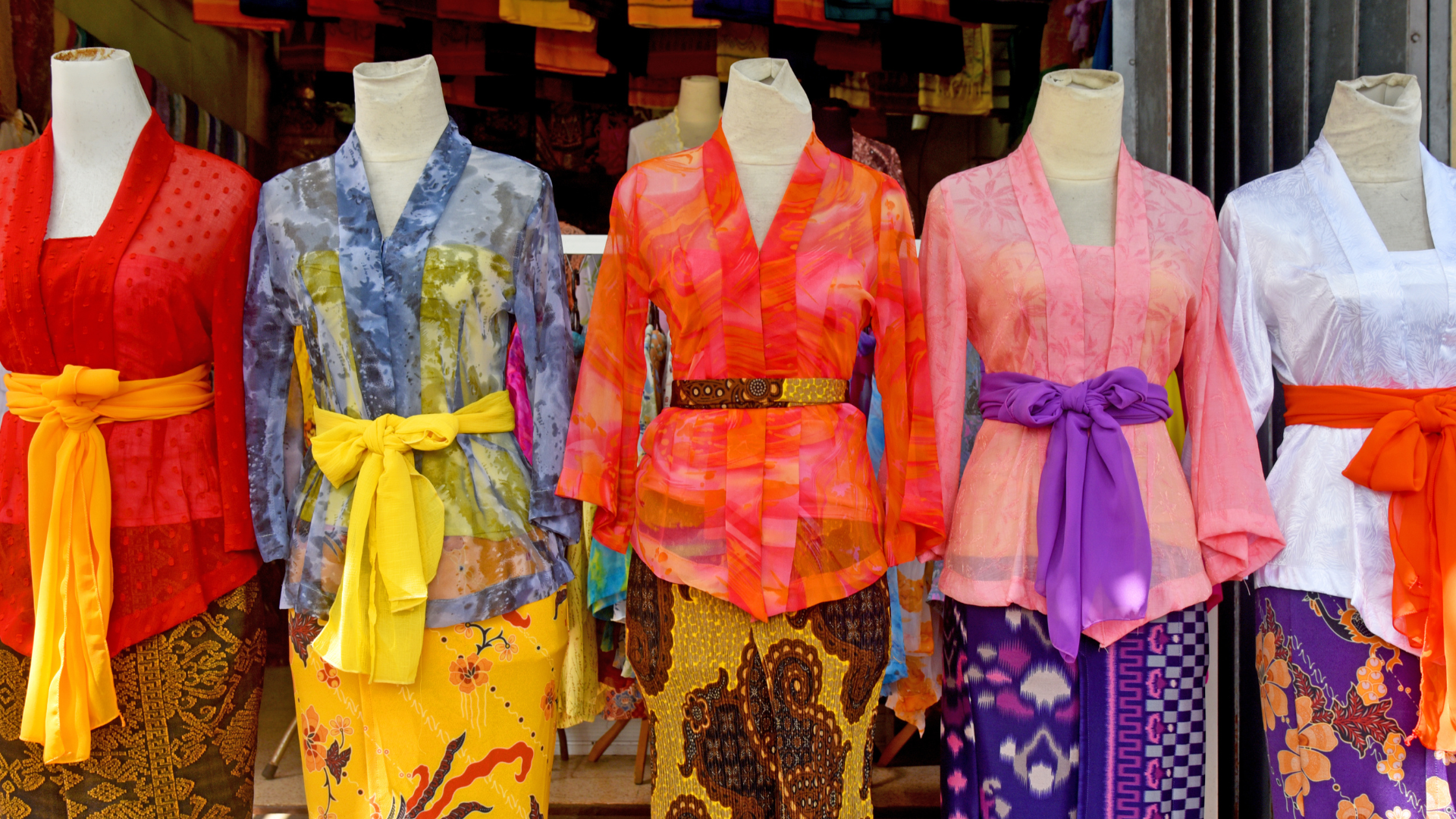
Similarly, the kebaya was inscribed after a joint nomination by several Southeast Asian nations.
“This is proof that cultural practices in Southeast Asia have a history that truly transcends national borders, but are still recognized as a ‘shared heritage, ‘ not the exclusive property of one country, “ says Sholihah.
带着问题听讲解
- 如何理解 transcend borders 这个表达?
- 根据文章,为什么东南亚国家会争夺某种食物的归属权?
- 专家认为这种“争夺”没有必要的原因是什么?
讲解
重点词汇
geopolitical
/ˌdʒiː.oʊ.pəˈlɪt̬.ɪ.kəl/
adj. 地缘政治的
- 相关词汇:geology,political例句:Hungary and Poland have suffered before because of their unfortunate geopolitical position on the European map.
wage
/weɪdʒ/
v. 发动(战争、斗争等)
- 词性拓展:wage(n. 工资(通常指按周计))搭配短语:to wage a campaign搭配短语:to wage a war例句:They waged a price war.
stoke
/stoʊk/
v. 激起,煽动;添加燃料
- 例句:She was stoking the stove with sticks of maple.搭配短语:to stoke tensions搭配短语:to stoke controversy相关词汇:kindle,fuel,ignite
claim
/kleɪm/
n. 所有权;主张
- 词性拓展:claim(v. 索要,索取)搭配短语:a claim to sth.例句:They denied her rightful claim to the property.例句:The museum asserts that it has a legitimate claim to the artifact.
quibble
/ˈkwɪb.əl/
n. 吹毛求疵的抱怨
- 英文释义:a complaint or criticism about something that is not very important例句:My only quibble is that the colour isn't very nice.
ownership
/ˈoʊ.nɚ.ʃɪp/
n. 所有权
- 相关词汇:own词根词缀:-ship例句:The documents prove his ownership of the land.
heritage
/ˈher.ɪ.t̬ɪdʒ/
n. 传统;文化遗产;遗产
- 搭配短语:World Heritage搭配短语:the cultural heritage of Italy例句:China is a nation with a rich heritage of folklore.
myopic
/maɪˈɑː.pɪk/
adj. 目光短浅的,缺乏远见的,近视的
- 近义词:short-sighted搭配短语:a myopic view of the world
transcend
/trænˈsend/
v. 超越
- 词根词缀:trans-(across)
- 相关词汇:transgender
相关词汇:ascend,descend,condescending例句:Good literature transcends time.例句:Music can transcend cultural differences.
colonialism
/kəˈloʊ.ni.ə.lɪ.zəm/
n. 殖民主义;殖民统治
- 相关词汇:colony
- 词根词缀:colonia(意大利之外的古罗马领土)
- 例句:It was a British colony.
相关词汇:colonial- 搭配短语:a colonial city
disrupt
/dɪsˈrʌpt/
v. 使分裂或中断;中断
- 例句:The war disrupted the connections of many people.
culinary
/ˈkʌl.ə.ner.i/
adj. 烹饪的;厨房的
- 相关词汇:cook搭配短语:the culinary arts搭配短语:culinary herbs
nationalist
/ˈnæʃ.ən.əl.ɪst/
adj. 民族主义的
- 词性拓展:nationalist(n. 民族主义者)文化补充:在英文语境中,“民族主义”这个概念往往带有一定的负面色彩,它强调“一个民族、国家认为自己优于其他的民族、国家”。
sentiment
/ˈsen.t̬ə.mənt/
n. 观点,态度
- 近义词:attitude,opinion搭配短语:public sentiments
intensify
/ɪnˈten.sə.faɪ/
v. 加剧;加强
- 相关词汇:intense(adj. 激烈的)
- 例句:an intense day
例句:The fighting has intensified.
trigger
/ˈtrɪɡ.ɚ/
v. 引发,触发
- 词性拓展:trigger(n. 扳机)
- 搭配短语:to pull the trigger
例句:His remarks triggered a public outcry.
come into being
产生,形成,出现
- 同义词:to start to exist例句:Modern nation-states only came into being in the 19th century.
inscribe
/ɪnˈskraɪb/
v. 列入名单;铭刻
- 例句:The winner's name is inscribed on the trophy.
exclusive
/ɪkˈskluː.sɪv/
adj. 独有的,专属的;排外的
- 相关词汇:exclude例句:We have exclusive use of the beach.
拓展阅读