
讲解人 · Natasha

原文
These days, researchers understand that fever is part of the immune system’s response to a pathogen.
And while there’s accumulating evidence that fevers can help kick an infection, precisely how they can help remains mysterious.
There are two main ideas, says Sam Wilson, a microbiologist.
The heat of a fever itself could be harming the virus, akin to Hippocrates’ hypotheses.
Alternatively, the heat is a means to an end, either stoking our immune system to work better or simply a regrettable, but unavoidable byproduct of fighting off an infection.
“The fact that there weren’t definitive answers to these questions piqued my interest, “ says Wilson.
That interest led to a study, published in Science, that suggests — at least in mice — that elevated temperature alone is enough to fight off some viruses.
“This study reinforces the idea that temperature alone is an important and effective part of the body’s attempt to respond to infection, “ says Daniel Barreda, a microbiologist at the University of Alberta.
But he says the study doesn’t rule out that fever also helps the immune system work better.
Joe Alcock, an emergency physician and researcher, also praises the study.
But he points out that we shouldn’t assume fevers work the same way in humans as they do in mice.
Still, Alcock says the study adds to the growing body of evidence that fever evolved for a reason.
“We treat fevers as almost like a knee-jerk reaction, giving medicines like acetaminophen or Tylenol, “ he says.
As a physician trained by a health care system that’s often quick to treat fevers, that study gives him pause.
带着问题听讲解
- 如何理解文中的 knee-jerk reaction 这一表达?
- 文章中提到的两种关于发烧作用的主要观点是什么?
- 为什么研究者认为我们不应简单地把发烧当成“必须立刻消除”的症状?
讲解
重点词汇
fight off
摆脱;抵抗;击退
- 例句:He was stabbed as he tried to fight the robbers off.例句:Vitamin A helps your body fight off infection.
pathogen
/ˈpæθ.ə.dʒən/
n. 病原体
- 词根词缀:pathos(疾病,苦难);gen(生产)
- 派生词:sympathy(n. 同情)
例句:Bacteria and viruses are common pathogens that can cause diseases.近义词:germ(细菌,病菌)
accumulate
/əˈkjuː.mjə.leɪt/
v. 积累;逐渐升高
- 词根词缀:cumulus(n. 积云)例句:The money in your savings account accumulates interest.例句:Evidence of his guilt is accumulating.近义词:amass
- 搭配短语:amass a great fortune
搭配短语:sth. accumulates- 近义词:sth. builds up
akin to
与某物类似的
- 相关词汇:of kin
- 相关词汇:kin(n. 家人,家属)
- 搭配短语:next of kin
- 例句:Your next of kin will be notified.
- 相关词汇:kinship(n. 亲属关系,亲切感)
- 例句:She felt a sense of kinship with the woman.
- 相关词汇:kindred(adj. 同源的,同类的)
- 搭配短语:a kindred spirit
例句:Listening to his life story is akin to reading a good adventure novel.近义词:similar to
hypothesis
/haɪˈpɑː.θə.sɪs/
n. 假设,假说
- 搭配短语:formulate and confirm a hypothesis例句:A detective might have a hypothesis about a crime.近义词:speculation
- 搭配短语:a wild and idle speculation
a means to an end
达到目的的手段
- 例句:Some people don't enjoy networking events, but see them as a means to an end.相关词汇:means(n. 手段,方法)
- 例句:The end justifies the means.
相关词汇:an end in itself- 例句:Art should be an end in itself.
stoke
/stoʊk/
v. 煽动,激起;添加燃料
- 英文释义:to increase the amount or strength of something搭配短语:stoke up例句:His speech stoked public anger.例句:The article aims to stoke division.近义词:stimulate
byproduct
/ˈbɑɪˌprɑd·ʌkt/
n. 意外收获,附带结果;副产品
- 例句:When burnt, plastic produces dangerous byproducts.例句:Job losses are an unfortunate byproduct of the recession.近义词:side effect
- 例句:Side effects may include nausea, tiredness, and dizziness.
- 例句:The policy could have beneficial side effects for the whole economy.
近义词:spin-off- 例句:Better Call Saul is a spin-off of the television series Breaking Bad.
definitive
/dɪˈfɪn.ɪ.tɪv/
adj. 最终的,决定性的;不可更改的
- 英文释义:final and not able to be changed例句:A definitive decision by a court of law will not be changed.词义辨析:definitive,definite
- definite 表示确定的,肯定的,强调一种主观态度,而 definitive 则表示最终拍板的结果。"You may have a definite opinion, but the report will provide the definitive interpretation." 你或许有明确的看法,但权威解读还是要看这份报告。
pique
/piːk/
v. 使生气,激怒
- 英文释义:to prick or to irritate例句:His rude remark piqued her.词性拓展:pique(n. 不悦,生气)
- 搭配短语:in a fit of pique
搭配短语:pique sb's interest/curiosity- 例句:The first chapter is designed to pique the reader's curiosity.
reinforce
/ˌriː.ɪnˈfɔːrs/
v. 加强,加深;加固;增援
- 搭配短语:reinforce the concrete搭配短语:reinforce an army例句:Every time he succeeded, it reinforced his belief.近义词:buttress
rule out
排除;不予考虑
- 例句:We need to do more tests to rule out the possibility of other diseases.
a body of
大量
- 相关词汇:body(n. 主体,大量,整体)搭配短语:a body of knowledge/evidence/opinion
knee-jerk reaction
条件反射,本能反应
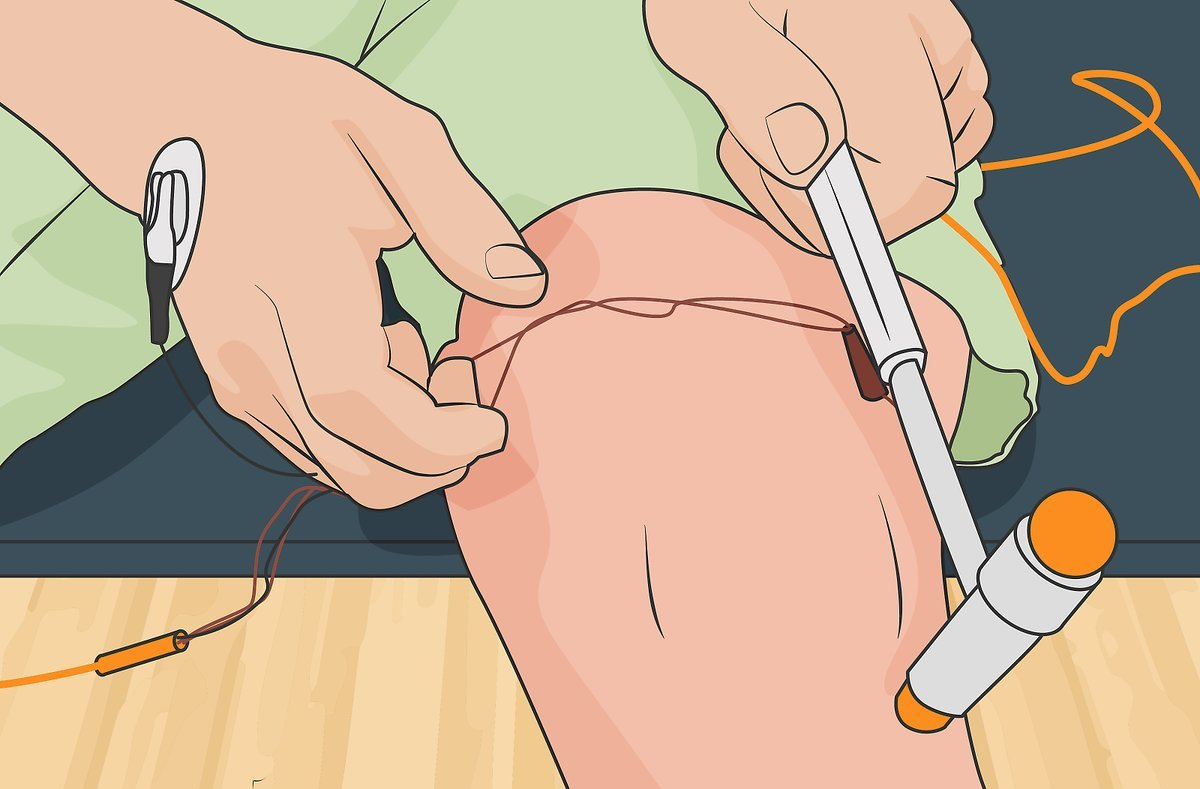
- 例句:His angry tweet was just a knee-jerk reaction to the criticism.近义词:gut reaction文化补充:knee-jerk reaction 源自医学上的“膝跳反射”。当你用小锤子敲击膝盖时,小腿会不受控制地弹起。
拓展阅读

- 感冒、发烧时:新陈代谢加快,蛋白质分解增加,适量摄入易消化的优质蛋白,有助于恢复体力和免疫功能。
- 外伤或伤口恢复期:蛋白质不足会延缓愈合,并增加感染风险。
- 手术或感染后:身体修复肌肉、重建组织,都离不开充足的蛋白质和必需氨基酸。
- 体质较好的中青年:可进行中等至中高强度力量训练,每周规律锻炼。
- 体弱的中老年人:以低强度、自重或轻阻力训练为主,重在维持日常活动能力。
- 病情较重者:以保证营养为核心,适量活动即可,哪怕简单走动或家务,也有助恢复。
