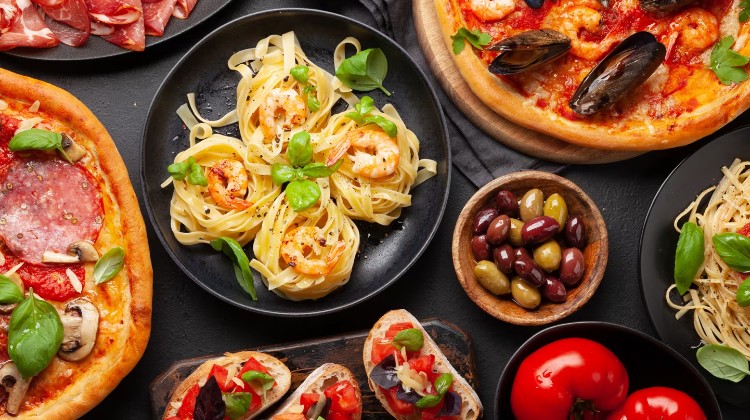
意大利美食向来以丰富多样和精致口味闻名于世,而近日它又迎来了新的国际认可:整个国家的饮食文化被联合国教科文组织列为人类非物质文化遗产。这不仅是对意大利厨艺的肯定,也意味着从食材种植到餐桌呈现的传统方式都获得了保护。那么,把“意大利美食”整体视为一种需要守护的文化,究竟意味着什么?这一变化又会如何影响意大利的经济与日常生活?我们马上和 John 一起走进今天的文章。
讲解人 · John
洛克菲勒访华随行翻译
高人气美语教练
雅思口语 8.5 分
原文
** Italian cuisine becomes world's first to be awarded UNESCO status **
Italy has a very tasty reason to celebrate: Its national cuisine has become the first entire gastronomic style to be recognized by UNESCO as an intangible cultural heritage — a status that should help protect it from imitators.
The status marks the successful end to a three-year campaign by Italy’s Agriculture Ministry to have the nation’s traditional way of growing, harvesting, preparing and serving food recognized.
“The act of cooking in Italy transcends the simple nutritional necessity to become a complex and stratified daily practice, “ Pier Luigi Petrillo, one of the editors of Italy’s proposal, wrote in the initial bid.
It comes as the country continues to fight against “fake” Italian food, including a recent complaint lodged with the European Parliament after jars of prepackaged carbonara sauce showed up on its shelves.
Italy has also fought against the production of fake olive oil and the use of Italian-sounding names on products that were not made in Italy.
UNESCO heritage status typically bestows added prestige to designated entities — which range from historical landmarks to other so-called intangible assets, such as pool swimming in Iceland or beekeeping in Slovenia.
It also places an added burden of responsibility on countries to safeguard their cultural treasures.
It often leads to a rise in tourism, although as one of the most-visited destinations in Europe, Italy is already being overwhelmed by visitors at peak times.
Italy’s previous contributions to the list of intangible cultural heritage include manual bell ringing (2024), opera singing (2023), truffle hunting and extraction (2019), Neapolitan pizza makers (2017), and celebrations of big shoulder-borne processional structures (2013).
Italy was also listed among the places that enjoy the Mediterranean diet when it was added in 2013.
带着问题听讲解
如何理解 heritage 这个词?
根据文章,意大利为保护正宗美食采取了哪些措施?
根据文章,非遗认证能为入选对象带来什么?
讲解
** “一个国家的整个菜系”:意大利美食整体列入非遗 **
Italy has a very tasty reason to celebrate: Its national cuisine has become the first entire gastronomic style to be recognized by UNESCO as an intangible cultural heritage — a status that should help protect it from imitators.
The status marks the successful end to a three-year campaign by Italy's Agriculture Ministry to have the nation's traditional way of growing, harvesting, preparing and serving food recognized.
"The act of cooking in Italy transcends the simple nutritional necessity to become a complex and stratified daily practice," Pier Luigi Petrillo, one of the editors of Italy's proposal, wrote in the initial bid.
It comes as the country continues to fight against "fake" Italian food, including a recent complaint lodged with the European Parliament after jars of prepackaged carbonara sauce showed up on its shelves. Italy has also fought against the production of fake olive oil and the use of Italian-sounding names on products that were not made in Italy.
UNESCO heritage status typically bestows added prestige to designated entities — which range from historical landmarks to other so-called intangible assets, such as pool swimming in Iceland or beekeeping in Slovenia. It also places an added burden of responsibility on countries to safeguard their cultural treasures.
It often leads to a rise in tourism, although as one of the most-visited destinations in Europe, Italy is already being overwhelmed by visitors at peak times.
Italy's previous contributions to the list of intangible cultural heritage include manual bell ringing (2024), opera singing (2023), truffle hunting and extraction (2019), Neapolitan pizza makers (2017), and celebrations of big shoulder-borne processional structures (2013). Italy was also listed among the places that enjoy the Mediterranean diet when it was added in 2013.