
“来都来了”:出门在外,队伍越长,越想排?

随着短视频和社交平台的流行,旅行中的“必打卡清单”正在被不断刷新,越来越多游客愿意为一份“网红美食”排上长队,把等待本身也变成行程的一部分。从欧洲的街头小吃到全球各地的热门打卡点,人们一边排队、一边拍照分享,似乎不只是为了填饱肚子,更是在参与一种集体体验。这种看似不太理性的选择背后,究竟隐藏着怎样的心理动因?这种现象又是如何被社交媒体不断放大的?我们马上和 Ronan 一起走进今天的文章。

讲解人 · Ronan

复旦大学英语专业 Top 1 资深英美剧字幕组翻译总监

原文


** Why travellers keep queueing for viral food **
Across the world, travellers are now willing to wait an hour or more for trendy takes on everyday staples.

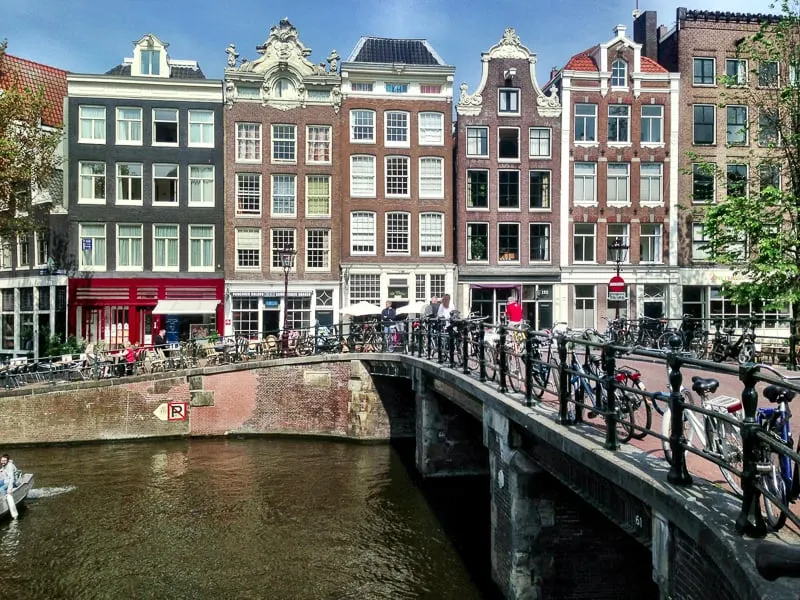
Thomas A P van Leeuwen has a riveting view from his Amsterdam flat.

His street is lined with imposing 17th-century canal houses — but what he sees each day is distinctly modern.

Day after day, tourists form long queues on the bridge, holding up €5.50 (£4.80) boxes of fries against the gabled backdrop for TikTok or Instagram posts.

Why queues seduce us

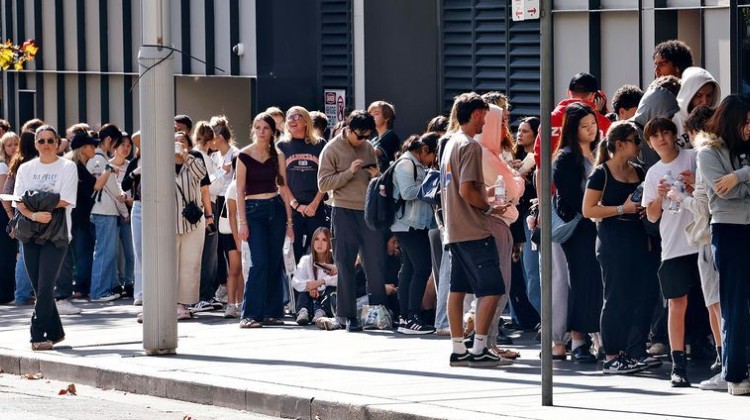
A queue doesn’t just signal popularity.

It triggers powerful psychological cues.

“For positive experiences, when people see other people in line for something, it makes the ‘thing’ people are queuing up for seem more desirable and elicits FOMO, “ says Rachel S Herz, author of Why You Eat What You Eat.

Travel as performance

People aren’t just eating the viral food — they’re filming themselves doing it, with their subsequent posts indicating to others that they’re onto something special.

Celebrities and influencers amplify the cycle, adds researcher Stefan Gössling.

They are tirelessly collecting social capital to identify the next hyped place to stay relevant, with their followers imitating the aspirational behaviour to show that they are part of the same community.

The illusion of discovery

Social media has created a sense that everyone is “finding” the same hotspot simultaneously — even though the algorithms are doing the work.

But it comes at a cost.

Algorithms prioritise what is already popular, which means the same places are pushed to millions of people at the same time.

Still, crowds rarely deter people.

Seeing others in line “gives you confidence that you’re doing the right thing, “ Gössling says.

带着问题听讲解

  • 如何理解 staple 这个词?
  • 根据文章,为什么排队本身会让网红美食看起来更有吸引力?
  • 根据文章,为什么即使队伍很长,人们也不太容易被劝退?

讲解


** “来都来了”:出门在外,队伍越长,越想排? **
Across the world, travellers are now willing to wait an hour or more for trendy takes on everyday staples.
在全球各地,游客们如今愿意为了日常主食的一些新潮变体,而等上一小时甚至更长时间。
Thomas A P van Leeuwen has a riveting view from his Amsterdam flat. His street is lined with imposing 17th-century canal houses — but what he sees each day is distinctly modern.
托马斯·A·P·范·勒文(Thomas A P van Leeuwen)从他阿姆斯特丹的公寓能看到一幅引人入胜的景象。他所在的街道两旁是颇具特色的 17 世纪运河房屋——但他每天看到的景象却十分现代。
Day after day, tourists form long queues on the bridge, holding up €5.50 (£4.80) boxes of fries against the gabled backdrop for TikTok or Instagram posts.
日复一日,游客们在桥上排起长队,举着售价 5.5 欧元(约合 4.8 英镑)的薯条杯,以山墙建筑为背景,拍摄 TikTok 或 Instagram 的帖子。
Why queues seduce us
排队为何让人着迷
A queue doesn't just signal popularity. It triggers powerful psychological cues.
队伍不仅是人气的信号,它还会触发强烈的心理暗示。
"For positive experiences, when people see other people in line for something, it makes the 'thing' people are queuing up for seem more desirable and elicits FOMO," says Rachel S Herz, author of Why You Eat What You Eat.
《你为何吃你所吃》(Why You Eat What You Eat)一书的作者蕾切尔·S·赫兹(Rachel S Herz)表示:“对于积极的体验,当人们看到他人为某物排队时,会让他人排队所追求的‘事物’显得更令人向往,并激发错失恐惧(FOMO)。”
Travel as performance
旅行即表演
People aren't just eating the viral food — they're filming themselves doing it, with their subsequent posts indicating to others that they're onto something special.
人们不仅是在品尝网红美食,他们还拍摄自己享用的过程,随后发布的动态向他人昭示着自己发现了特别的事物。
Celebrities and influencers amplify the cycle, adds researcher Stefan Gössling. They are tirelessly collecting social capital to identify the next hyped place to stay relevant, with their followers imitating the aspirational behaviour to show that they are part of the same community.
研究员斯特凡·格斯林补充道,名人与网红助推了这一循环。他们不遗余力地积累社交资本,发掘下一个被炒作的热门地点以维持自身热度,而粉丝们则模仿这种向往行为,以此证明自己也是这个圈子的一员。
The illusion of discovery
发现的错觉
Social media has created a sense that everyone is "finding" the same hotspot simultaneously — even though the algorithms are doing the work.
社交媒体营造出了一种错觉:所有人都在同时“发现”同一个热点——尽管这其实是算法的功劳。
But it comes at a cost. Algorithms prioritise what is already popular, which means the same places are pushed to millions of people at the same time.
但这是有代价的。算法会优先推送热门内容,这意味着同一个地点会被同时推送给数百万用户。
Still, crowds rarely deter people. Seeing others in line "gives you confidence that you're doing the right thing," Gössling says.
即便如此,(拥挤的)人群也鲜少劝退人们的脚步。格斯林指出,看到别人在排队“会让你确信自己做出了正确选择。”

重点词汇

viral

/ˈvaɪ.rəl/

adj. 爆火的;刷屏的;病毒的,病毒引起的

  • 搭配短语:a viral flu,a viral infection
    搭配短语:go viral
    • 例句:Her video went viral on TikTok.

take

/teɪk/

n. 处理办法

  • 词性拓展:take(v.)
    英文释义:a particular way of dealing with or treating something
    搭配短语take on sth.
    • 例句:This film is a modern take on Shakespeare's Romeo and Juliet.

staple

/ˈsteɪ.pəl/

n. 主食;主要产品

  • 词根词缀:estaple(古法语,表“市场”)

riveting

/ˈrɪv.ɪ.t̬ɪŋ/

adj. 引人入胜的,非常迷人的

  • 近义词:interesting
    相关词汇:rivet(n. 铆钉)
    英文释义:very exciting or interesting
    搭配短语:a riveting story,a riveting performance

imposing

/ɪmˈpoʊ.zɪŋ/

adj. 使人难忘的;壮观的

  • 英文释义:very large or impressive

distinctly

/dɪˈstɪŋkt.li/

adv. 极度地;非常

  • 同义词:very,extremely

gabled

/ˈɡeɪ.bəld/

adj.(建筑)有三角墙的,有山墙的

  • 相关词汇:gable(n. 三角墙;山墙)

trigger

/ˈtrɪɡ.ɚ/

v. 触发;引起

  • 词性拓展:trigger(n.(枪的)扳机)

cue

/kjuː/

n. 暗示

elicit

/iˈlɪs.ɪt/

v. 引出,引起(某人的某种反应)

  • 例句:The test uses pictures to elicit words from the child.

subsequent

/ˈsʌb.sɪ.kwənt/

adj. 随后的,接着的

  • 词根词缀:来自拉丁语 sequi(表示“跟随”)。
    • 派生词:sequence(顺序、序列);consequence(后果);sequel(续集)
    近义词:following

be onto sth.
了解,掌握

  • 英文释义:to have information that will help to you make an important discovery
    例句:I think you're onto something with this business idea.
    相关短语:be onto sb.(发现(某人做了坏事))
    • 例句:The police are onto him.

amplify

/ˈæm.plə.faɪ/

v. 扩大,增强

  • 相关词汇:amplifier(n. 扬声器)

hype

/haɪp/

v. 大肆宣传,炒作

  • 词性拓展:hype(n. 炒作)

aspirational

/ˌæs.pəˈreɪ.ʃən.əl/

adj. 渴望成功的,令人向往的

  • 相关词汇:aspiration(n. 渴望;抱负)

at a cost
有代价

  • 英文释义:used for saying that it may not have been worth doing something because so much has been lost or damaged as a result

still

/stɪl/

adv. 尽管如此

deter

/dɪˈtɝː/

v. 阻止,威慑,使不敢

  • 例句:The high price might deter customers.

拓展阅读
排队心理学:“队怒症”是咋回事?
几乎没有人喜欢排队,为什么排队是一种巨大的折磨呢?事实上是因为人们在排队时的心理状态,不确定性会放大等待的压力,在这个时候人们的情绪负担会非常得重。人们在排队时总会出现一些共性心理状态,比如:排队等候时,感觉非常无聊;讨厌后来的人比自己先得到服务;以为等很短时间,却等了非常长的时间;内心焦虑而不平静。
只是生活中排队现象是不可能会消失的,人们总会遇到不可避免这样那样的等待。
曾有研究表示“排队心理通常比等待时间本身更重要”。被占用的时间会让人感觉到空闲时间变短了。同时研究还显示,人们对自己等待的时间会高估 36%。零售领域专家还表示通常情况下,人们可以忍受的排队等候时间约为 90 秒,在此之后,人们对自己等候的感受就会发生偏差,排队两分钟机会觉得已经等了三分钟。所以其实排队最根本的问题不在于说等待时长,而在于人们等候的感受。
与此同时,如果人们知道明确的等待时间,则会用更多耐心来等待,另外还有心理学家发现人们关注的其实是排队队伍的长短,而不是队伍行进的速度。
鉴于排队对经营及生活的影响,很多商家以及行政管理者就会设计诸多迎合人们心理的排队方式,一些商家选择在人们排队时用电视屏幕或者其他环节来吸引人们的注意力,以此来提升人们的体验,让排队从内心感受中变得快一点。
随着技术的发展,排队也已经通过技术被改变了,互联网的发展让人们实现了手机排号和机器排号的可能,人们能够自由地安排等待的时间,也可以选择放弃等待。
不过也有不少商家别有用心地利用“排队心理学”,有餐饮业分析师透露,餐饮店尤其是茶饮店,雇人排队是业内潜规则。而一些网红品牌都曾被爆出过雇人排队,这种招揽顾客的方式实在是不可持续。饥饿营销以及制造虚假火爆现象,都是利用人们的好奇心及从众心理,但这并不能真正为商家积累下好口碑。
以上内容原载于网络,由流利说®阅读团队修改编辑。