讲解人 · 大仔

原文
It also reveals something extraordinary about the ancient Maya world.
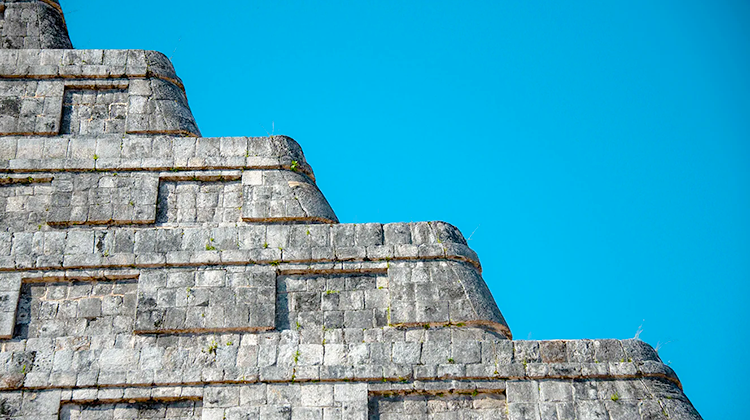
Despite the humid tropical climate and the embrace of the jungle, many of their buildings are still standing after 1, 500 years.
Part of the reason is that the ancient Maya were particularly good at making mortar to prevent stone structures from crumbling into piles of rubble.
When in 2018 researchers analysed stones at the Witzinah archaeological site, they found traces of saturated fats typical of degraded natural rubber.
A separate study in 2014 found evidence that Maya stone masons added volcanic ash to the mortar to strengthen it.
Local descendants of the ancient Maya said that they commonly use extracts from plants and particularly sap from the Chucúm and Jiote trees in their lime mix.
The incorporation of organic plant material makes the material more insoluble, which prevents it from dissolving in the rain.
The reinforced concrete in most modern buildings isn’t built to last.
The lifespan of most concrete buildings is around 50 to 100 years.
At the same time, cement production currently accounts for 8% of global carbon emissions.
Some researchers are looking to lime-based alternatives to cement.
Lime mortars can absorb carbon dioxide from the air as they remineralise and harden into limestone.
“Not only will lime suck up CO2, but at the same time you get a very durable material if you add the proper organic additives, “ says one mineralogist.
带着问题听讲解
- 如何理解 ravages 这个词?
- 古玛雅建筑存在于什么样的气候环境里?
- 文中提到的古玛雅建筑如此坚挺的原因是什么?
讲解
重点词汇
withstand
/wɪðˈstænd/
v. 经受;承受;顶住
- 搭配短语:to withstand high temperatures搭配短语:a bridge designed to withstand earthquakes搭配短语:withstand the test of time
ravages
/ˈræv.ɪ.dʒɪz/
n. 毁坏
- 相关词汇:ravage(v. 毁坏)
- 例句:The area has been ravaged by floods.
- 搭配短语:a country ravaged by war
搭配短语:a country suffering from the ravages of war
airborne
/ˈer.bɔːrn/
adj. 飞行中的;在空中的;空气传播的;空运的
- 搭配短语:airborne viruses例句:Do not leave your seat until the plane is airborne.
tantalising
/ˈtæn.t̬ə.laɪ.zɪŋ/
adj. 诱人的
- 相关词汇:tantalise(v. 撩拨,惹弄,逗引)搭配短语:the tantalising aroma of fresh coffee
remains
/rɪˈmeɪnz/
n. 遗迹,遗址;剩余物;尸骸
- 相关词汇:remain(v. 剩余,遗留;保持)例句:the remains of lunch搭配短语: remains of the Inca civilization
humid
/ˈhjuː.mɪd/
adj. 潮湿的
embrace
/ɪmˈbreɪs/
n. 包围;接受;拥抱,环抱
- 英文释义:hug; grip, encirclement; acceptance搭配短语:in the embrace of terror(包围)搭配短语:the country's eager embrace of renewable energy(接受)
mortar
/ˈmɔːr.tɚ/
n. 砂浆;石灰浆
- 文化补充:砂浆是一种由粘结材料(如水泥、石灰膏)、细骨料(如沙子)和水混合而成的材料,主要用于用于砌筑、抹灰等用途。
crumble
/ˈkrʌm.bəl/
v. 碎裂;使碎裂
- 相关词汇:crumb(n. 碎屑)
- 相关词汇:breadcrumb(n. 面包屑)
- 例句:She ate the whole cake and left not a crumb.
- 搭配短语:a crumb of comfort
- 例句:There's not a crumb of truth in that story.
例句:Hundreds of English schools are still at risk from crumbling concrete.例句:The old world order starts to crumble.
pile
/paɪl/
n. 一堆,一摞;大量;桩基
- 搭配短语:a pile of dirty clothes例句:I've got piles of things to do today.
rubble
/ˈrʌb.əl/
n. 瓦砾碎石
- 例句:Rescue workers are searching the rubble for survivors.
saturated fat
/ˌsætʃ.ər.eɪ.t̬ɪd ˈfæt/
n. 饱和脂肪
mason
/ˈmeɪ.sən/
n. 石匠
descendant
/dɪˈsen.dənt/
n. 后代
- 相关词汇:descend(v. 起源于;走下,下来;递减;降落)
- 搭配短语:in descending order of importance
例句:He descends from a family of famous chefs.
extract
/ˈek.strækt/
n. 提出物,精华,汁;摘录,选段
- 词性拓展:extract(v. 取出;拔出;提取)
- 搭配短语:to extract usable fuel from crude oil.
搭配短语:vanilla extract(香草膏/香草精)例句:They published an extract from his autobiography.
sap
/sæp/
n. 植物汁液
lime
/laɪm/
n. 石灰;青柠,酸橙;水垢
incorporation
/ɪnˌkɔːr.pəˈreɪ.ʃən/
n. 包含,纳入,吸收
- 相关词汇:incorporate(v. 包含,纳入,吸收)
- 例句:The new software update incorporates several user-requested features.
例句:The incorporation of renewable energy sources into the city's power grid is a priority.
insoluble
/ɪnˈsɑːl.jə.bəl/
adj. 不能溶解的;无法解决
- 相关词汇:soluble(adj. 可溶解的,可解决的)例句:These minerals are all insoluble in water.例句:Traffic congestion in large cities seems to be an insoluble problem.
dissolve
/dɪˈzɑːlv/
v. 溶解;解散,终止;消失;使溶解,消除
- 例句:Stir it gently until the powder has dissolved.搭配短语:a new detergent that dissolves stains例句:Their marriage was formally dissolved last year.例句:When the ambulance had gone, the crowd dissolved.
cement
/səˈment/
n. 灰泥,水泥;胶合剂;粘固剂
- 文化补充:水泥的英文“cement”是由拉丁文“caementum”演变而来,意指“碎石”,后来逐渐演变为指代一种能将材料粘结在一起的物质,比如石膏,石灰砂浆,以及古罗马时代的石灰火山灰混合材料(被视为历史上最早的水泥)等等。在现代水泥(即波特兰水泥/硅酸盐水泥)出现之前,cement 多指传统灰泥,它一般由石灰、骨料和水制成。词性拓展:cement(v. 涂上水泥;粘合;加强,巩固)例句:"Donald Trump's Win Cements a New Era for Campaigning Online"
look to
指望,期望;留意
- 例句:The company is looking to its investors for additional funding.
alternative
/ɑːlˈtɝː.nə.t̬ɪv/
n. 替代选项,替代品
- 搭配短语:an alternative to coffee例句:This treatment is the only alternative for some patients.
