讲解人 · John

原文
But watching over the production line has become increasingly fraught.
South Korea imports more kimchi than it exports, and the gap has widened as cheaper Chinese-made products take hold in the domestic market.
How Koreans consume kimchi is also changing.
Single-person households have more than tripled since 2000, now accounting for more than 36% of all households, and fewer people make kimchi at home.
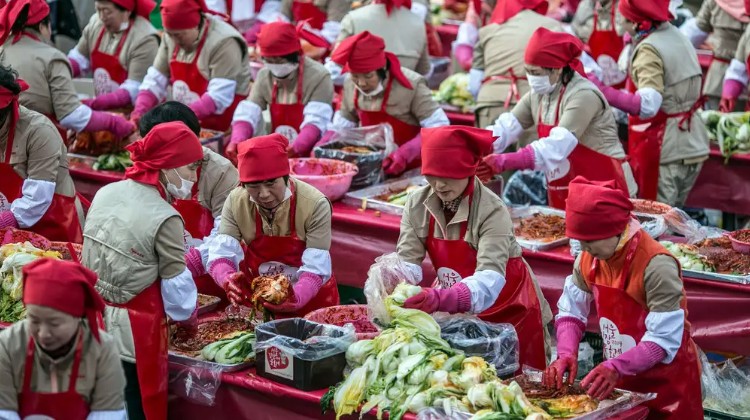
Instead, it is increasingly consumed ready-made or while eating out, where kimchi is served free of charge with every Korean meal.
Charging for such a staple would be unthinkable.
As a result, demand for commercially produced kimchi has grown, with producers becoming increasingly dependent on restaurants and large buyers.
Market forces mean that price, rather than origin or method, is now the decisive factor.
In the first 10 months of last year, South Korea imported $159m worth of kimchi, almost entirely from China, while exporting $137m.
The pressures have been compounded by the climate crisis, which is disrupting cabbage farming, the single most important input in kimchi production.
Government agencies and producers are developing climate-resistant varieties and improved storage systems, but industry groups question whether such measures can offset the pressures.
South Korea’s agriculture ministry said it aims to “strengthen both domestic and export foundations to build a sustainable growth base for the entire kimchi industry”.
Measures include voluntary labelling schemes that let restaurants signal they use Korean kimchi, agricultural support such as weather forecasting and pest control for cabbage growers, and research to extend kimchi’s shelf life for export.
带着问题听讲解
- 如何理解 price out 一词?
- 根据文章,为什么越来越多韩国人不再在家制作泡菜?
- 文章认为,为什么中国产泡菜能在韩国市场占据优势?
讲解
重点词汇
price out
因价格过高而排除在外,负担不起
- 搭配短语:price sb./sth. out of
- 例句:Many young families are priced out of the housing market.
- 例句:Cheaper imported goods are pricing domestic products out of the market.
ferment
/fɚˈment/
v. 发酵;酝酿
- 相关词汇:yogurt;cheese;wine;soy sauce搭配短语:fermented food例句:Anger was fermenting among the crowd.词性拓展:ferment(n. 动乱,骚乱)
- 搭配短语:in ferment
cornerstone
/ˈkɔːr.nɚ.stoʊn/
n. 基石,基础;奠基石
- 例句:Trust is the cornerstone of any healthy relationship.近义词:foundation stone;bedrock(基石);pillar(支柱)反义词:a trivial part
peninsula
/pəˈnɪn.sə.lə/
n. 半岛
- 词根词缀:pen(几乎,接近);insula(岛屿)
- 派生词:insular(adj. 岛屿的;思想狭隘的)
- 搭配短语:the coastal and insular areas
- 近义词:narrow-minded
- 搭配短语:the insular world of boarding schools
- 相关词汇:a provincial viewpoint
watch over
保护,照看;监督
- 口语表达:Could you watch over my luggage for a moment while I go to the restroom?近义词:supervise搭配短语:watch over the fairness of the financial markets搭配短语:watch over sb.
- 近义词:protect and keep an eye on sb.
- 例句:Guardian angels watch over you.
fraught
/frɑːt/
adj. 充满……的;令人忧虑的
- 搭配短语:fraught with
- 例句:The negotiation was fraught with tension.
- 近义词:full of
近义词:tense搭配短语:a fraught atmosphere/situation
take hold
变强;确立地位;控制
- 英文释义:to become effective, established, or popular例句:The new policy began to take hold after a few months.例句:An idea took hold in my mind.近义词:become established;gain a foothold搭配短语:take hold of sb.
account for
占比;解释
- 近义词:explain例句:Recent pressure at work may account for his behavior.搭配短语:account for your mistake
staple
/ˈsteɪ.pəl/
n. 主要产品;主食
- 搭配短语:staples like flour and rice词性拓展:staple(adj. 主要的;最重要的)
- 例句:Rice is the staple food of more than half the world's population.
相关词汇:side dish(配菜)
decisive
/dɪˈsaɪ.sɪv/
adj. 决定性的;果断的
- 相关词汇:decide(v. 决定)例句:They scored the decisive goal in the final minute of the game.例句:Her decisive response to the emergency prevented a major accident.
compound
/ˈkɑːm.paʊnd/
v. 使加重,使恶化
- 词性拓展:compound(n. 化合物,复合物;有围墙的建筑群)词性拓展:compound(adj. 复合的)例句:His anxiety was compounded by the fear of failure.近义词:aggravate;exacerbate
disrupt
/dɪsˈrʌpt/
v. 打断,中断,扰乱
- 例句:The barking dogs disrupted my sleep.相关词汇:disruptive(adj. 扰乱性的,捣乱的)
- 搭配短语:disruptive technology(颠覆性技术)
- 近义词: groundbreaking technology
resistant
/rɪˈzɪs.tənt/
adj. 抵制的,阻止的,抗拒的
- 相关词汇:resist(v. 抵抗)搭配短语:water-resistant watch搭配短语:drug-resistant bacteria
offset
/ˌɑːfˈset/
v. 补偿;抵消;弥补
- 搭配短语:offset carbon emissions近义词:cancel out;balance
sustainable
/səˈsteɪ.nə.bəl/
adj. 可持续的,能长期保持的
- 搭配短语:sustainable energy sources like solar and wind例句:Burning the midnight oil is not a sustainable lifestyle.
shelf life
(食品)保存期;有效期
- 近义词:expiration date搭配短语:have/extend/prolong/shorten a shelf life
- 例句:Rice has a long shelf life.
相关词汇:best-before date例句:In the fast-paced tech industry, the shelf life of any new skill is getting shorter.
拓展阅读
- 制备泡菜的环境要卫生干净、阴凉通透,避免阳光直射和潮湿的环境。
- 制作泡菜的容器要用热水洗涤,最好用开水热烫,避免微生物污染,并且密闭性好、不易渗漏。
- 除去蔬菜有病害、质地粗老的部分,用自来水洗净蔬菜,然后沥干。
- 盛放的容器要密闭,营造有利于乳酸菌发酵的厌氧环境。
- 放置的环境温度一般在 15℃~39℃ 环境中,温度低时有利于微生物缓慢发酵,温度高时有利于快速发酵。
- 为了加快泡菜的制备及保障产品的质量,可以在传统自制泡菜自然发酵的基础上,添加正规来源的泡菜发酵剂(即直投菌剂)。
