
总是迟到,是“没礼貌”还是“没办法”?

我们身边总有一些习惯性迟到的人,我们常把这种行为简单归结为“不尊重他人时间”或没礼貌。事实上,习惯性迟到背后可能存在更为复杂的心理或神经认知原因。那么,究竟该如何区分迟到是源于认知特点,还是个人态度问题?那些有效的应对策略又能否帮助每个人更好地掌握时间呢?我们马上和 Ronan 一起走进今天的文章。

讲解人 · Ronan

复旦大学英语专业 Top 1 资深英美剧字幕组翻译总监

原文


** If someone's always late, is it time blindness, or just being rude? **
Time blindness is the inability to determine how long a task will take or conceptualize how much time has passed.

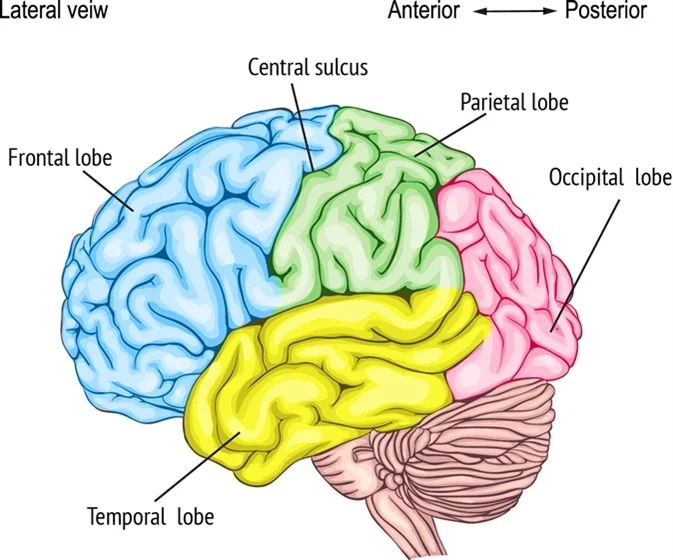
It relates to executive function that occurs in the frontal lobes of the brain, and it is a well-documented characteristic of many people with ADHD, said Stephanie Sarkis, a psychotherapist in Tampa Bay, Florida.

That’s not to say, however, that everyone who is chronically late has ADHD — or a built-in excuse.

Some people who hate small talk fear arriving early, which could point to anxiety as the underlying issue, said Jeffrey Meltzer, a therapist in Bradenton, Florida.

Others may feel they don’t have much control over their lives, so they try to reclaim a few minutes from responsibilities.

“It’s the same psychology concept behind revenge bedtime procrastination, “ he said, referring to the urge one may have to stay up later to recoup personal time after a busy day.

Meltzer said the hardest reason to change the habit would be something that early-arrivers often attribute to late-comers — a sense of entitlement.

People who feel their time is more important than others’ time may give themselves permission to be late.

Whether a person has ADHD or not, they’re still responsible for their actions, said Sarkis.

The good news is that the same interventions that help people with ADHD can work for all late-arrivers.

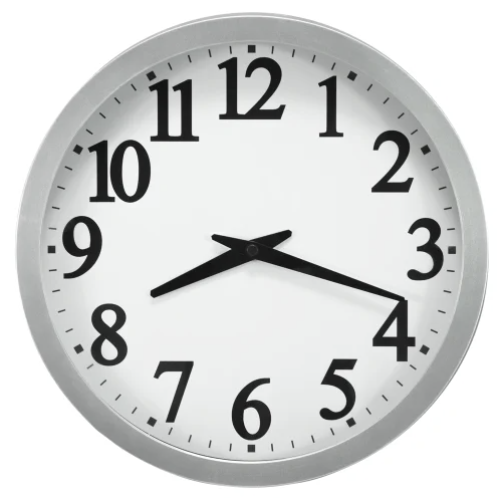
Sarkis said using a smart watch to set alerts can help with knowing when you need to leave, although having analog clocks around also helps.

Relying only on your phone to see the time creates more distractions.

She also suggested breaking tasks down into a checklist of smaller parts and resisting the urge to cram too many activities into one day.

带着问题听讲解

  • 如何理解 conceptualize 这个词?
  • “时间盲视”具体指的是什么?
  • “时间盲视”和身体的什么功能有关?

讲解


** 总是迟到,是“没礼貌”还是“没办法”? **
Time blindness is the inability to determine how long a task will take or conceptualize how much time has passed. It relates to executive function that occurs in the frontal lobes of the brain, and it is a well-documented characteristic of many people with ADHD, said Stephanie Sarkis, a psychotherapist in Tampa Bay, Florida.
“时间盲视”(Time blindness)是指无法准确判断一项任务需要花费多长时间,或是无法感知时间的流逝。佛罗里达州坦帕湾的心理治疗师斯蒂芬妮·萨基斯(Stephanie Sarkis)指出,这与大脑额叶的执行功能有关,也是许多注意力缺陷多动障碍(ADHD)患者被广泛记录的一大典型特征。
That's not to say, however, that everyone who is chronically late has ADHD — or a built-in excuse.
然而,这并不意味着所有长期迟到的人都患有 ADHD——或者因此就有了“天然的借口”。
Some people who hate small talk fear arriving early, which could point to anxiety as the underlying issue, said Jeffrey Meltzer, a therapist in Bradenton, Florida. Others may feel they don't have much control over their lives, so they try to reclaim a few minutes from responsibilities.
佛罗里达州布雷登顿的治疗师杰弗里·梅尔策(Jeffrey Meltzer)表示,有些讨厌寒暄闲聊的人害怕过早到场,这可能表明潜在的根本问题是焦虑。而另一些人可能感觉自己对生活缺乏掌控,于是试图从各种责任义务中拿回几分钟。
"It's the same psychology concept behind revenge bedtime procrastination," he said, referring to the urge one may have to stay up later to recoup personal time after a busy day.
“这和‘报复性熬夜拖延’背后的心理机制是一样的,”他说。所谓报复性熬夜拖延,是指在忙碌的一天结束后,人们为了弥补个人时间而产生的晚睡冲动。
Meltzer said the hardest reason to change the habit would be something that early-arrivers often attribute to late-comers — a sense of entitlement. People who feel their time is more important than others' time may give themselves permission to be late.
梅尔策指出,改变习惯最难的原因在于一种常被早到者归咎于迟到者的心态——即一种特权感。那些认为自己的时间比他人时间更宝贵的人,可能会允许自己迟到。
Whether a person has ADHD or not, they're still responsible for their actions, said Sarkis. The good news is that the same interventions that help people with ADHD can work for all late-arrivers.
萨基斯强调,无论一个人是否患有 ADHD,他们仍需对自己的行为负责。好消息是,那些帮助 ADHD 的干预手段同样适用于所有迟到者。
Sarkis said using a smart watch to set alerts can help with knowing when you need to leave, although having analog clocks around also helps. Relying only on your phone to see the time creates more distractions.
萨基斯建议使用智能手表设置提醒,这能帮你了解何时该出发,不过在身边放置指针时钟也很有帮助。仅依赖手机查看时间反而会增加干扰。
She also suggested breaking tasks down into a checklist of smaller parts and resisting the urge to cram too many activities into one day.
她还建议将任务拆解成由更小步骤组成的清单,并克制住想要在一天内塞入太多活动的冲动。

重点词汇

conceptualize

/kənˈsep.tʃu.ə.laɪz/

v. 构思;使形成概念

  • 相关词汇:concept(n. 概念)
    词根词缀:-ize(表示“使……变成”)
    例句:Before writing your thesis, you need to conceptualize the main argument as a clear, step‑by‑step framework.

frontal

/ˈfrʌn.t̬əl/

adj. 前额的;大脑前部的;前面的;正面的

  • 相关词汇:front(n. 前面)
    搭配短语:a frontal attack
    英文释义:relating to the front part of the head or brain

lobe

/loʊb/

n.(身体器官的)叶;耳垂
well-documented
adj. 证据充分的;有足够文件证明的

  • 相关词汇:document(n. 文件;v. 记录)
    例句:This is a well-documented fact.

characteristic

/ˌker.ək.təˈrɪs.tɪk/

n. 特性;特征

  • 搭配短语:main/defining/distinguishing characteristic
    • 例句:A purple rash is one of the distinguishing characteristics of the disease.

that’s not to say …
但这并不是说……

  • 例句:I'm critical of your work. That's not to say that you are not a good employee.

built-in

/ˌbɪltˈɪn/

adj. 与生俱来的;固有的;内置的,嵌入式的

  • 例句:This apartment has built-in wardrobes.(嵌入式的)
    例句:All humans have a built-in ability to learn their native language.(天生的)

reclaim

/rɪˈkleɪm/

v. 取回,拿回(丢失之物)

  • 相关词汇:claim(v. 索回;拿回)
    • 搭配短语:Baggage Claim
    例句:She reclaimed the title of world champion this year.

procrastination

/proʊˌkræs.tɪˈneɪ.ʃən/

n. 拖延症

  • 词根词缀:pro-(向前),crastinus(明天)

recoup

/rɪˈkuːp/

v. 收回,追回(钱)

  • 搭配短语:recoup the losses
    搭配短语:recoup the investment

attribute to
把……归因于

  • 例句:He attributes his success to luck.

entitlement

/ɪnˈtaɪ.t̬əl.mənt/

n. 权利,资格;有权做的事;有权拥有的东西

  • 相关词汇:title(n. 头衔)
    • 派生词:entitle(v. 给予……权利或资格)
    • 例句:We will be entitled to our pension when we retire.

intervention

/ˌɪn.t̬ɚˈven.ʃən/

n. 干预,介入

  • 词根词缀:inter- 表示“在……之间”
    • 派生词:international(国际的),Internet(互联网)
    词根词缀:-ven- 来自拉丁语 venire(“来”)
    • 派生词:convention(大会)

analog clock
指针式时钟

cram

/kræm/

v. 塞满;塞进;挤入

  • 例句:I managed to cram down a few mouthfuls of food.
    搭配短语cramming for an exam

拓展阅读

习惯性迟到或早到背后的心理问题
职业临床社会工作者兼治疗师罗恩埃尔普曼专注于迟到行为研究,他表明,一个人老是迟到或者总是早到,反映出一种行为模式,不能单纯依据道德准则去评判,而需探究该行为模式背后潜藏的心理问题。
那么,那些总是迟到或者提前到达的人,其背后有着怎样的心理因素呢?我们尝试从心理学层面来分析这类人背后的心理状况。
美国 ABC 新闻的研究调查表明,在美国,有 10% 至 25% 的人觉得自己有习惯性“迟到”的毛病。由此可见,习惯性“迟到”是日常生活里较为常见的一种行为。
经常性的“迟到”现象,不但给对方造成了“生命时间的损耗”,更有甚者会引发经济方面的损失。例如,美国社会学心理研究学会曾开展过一项调查,调查数据表明,因习惯性“迟到”而产生的间接经济损失多达 900 亿元。
心理学家 Daniel Kahneman 针对习惯“迟到”或“早到”的情况,提出“计划谬误”可能有助于解释这一现象背后的心理问题。
他表明,个人在对自身任务开展评估分析时往往过度乐观,然而在评估他人完成任务的情况时,却又过度悲观。此外,人们一般不会从前所犯的错误里汲取经验教训。
这类人习惯性迟到的一个关键因素,是在预估任务完成时间、风险以及所需资源时存在偏差。
当追问他们早到或者迟到的原因时,那些看上去合理的客观理由,实际上都是“判断失误”造成的。
简而言之,迟到的人往往由于过度乐观,对完成任务所需的时长估计过低;而早到的人不一定只是为了迎合他人,也有可能是对任务的难度估计过高。
从根本上来说,那些缺乏时间观念的人并非品行不好,仅仅是在时间管理方面能力不足,长此以往便形成了不准时的习惯。
以上内容原载于网络,由流利说®阅读团队修改编辑。