
想显年轻,却被嫌用力过猛?韩国40岁一代的尴尬

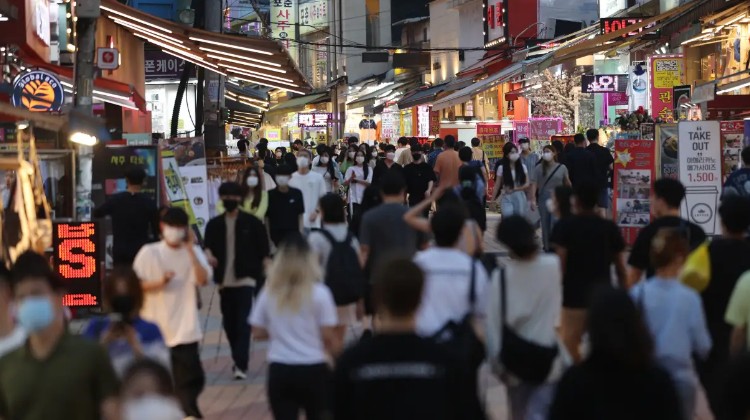
在韩国这样一个对年龄格外敏感、讲究长幼秩序的社会里,穿什么、怎么打扮,往往不只是个人选择,还暗含着身份和地位的信息。近来,一个带着调侃意味的新称呼在韩国社交平台上频频出现,把目光投向正处在人生中段的群体,也引发了不少讨论。流行语反映了年轻世代怎样的心态变化,又为什么会让一些人感到不适甚至困惑?我们马上和 Ronan 一起走进今天的文章。

讲解人 · Ronan

复旦大学英语专业 Top 1 资深英美剧字幕组翻译总监

原文


** Gen Z has found a new way to mock millennials for their style **
Ji Seung-ryeol, 41, prides himself on his sense of fashion.

But he was bewildered to find out that men his age have become the subject of ridicule online, mocked for shoehorning their way into styles associated with Gen Z and younger millennials.

The kids call them “Young 40s”.

In Korea, age difference, even by a year, forms the basis of social hierarchy.

But Korean youth are showing a growing scepticism of this almost forced reverence for elders.

Just a few years ago, the term “kkondae” was another buzzword among young South Koreans to describe an annoying breed of rigid, condescending elders.

Over the past year, “Young 40” was mentioned online more than 100, 000 times - more than half the references were used in a negative context, according to analytics platform SomeTrend.

Some see the jokes about Young 40s as a form of punching up: these are people at the peak of their careers, who amassed wealth in a time of economic stability and a property boom.

But Ji, the 41-year-old fashion enthusiast who lived through the so-called golden era, tells a different version of that story.

After experiencing the Asian financial crisis as a teen, Ji entered a tough job market in his 20s, submitting around 60-70 applications to land a job.

Now at the workplace, he often finds himself sandwiched between two worlds.

The generation above him ran a “strict, top-down system where you did what you were told”, while below him is “a generation that asks ‘why’’”.

“We’re a generation that has experienced both cultures.

We feel caught in between.”

带着问题听讲解

  • 如何理解 reverence 这个词?
  • 根据文章,为什么年轻的四十岁世代容易成为嘲讽的对象?
  • 根据文章,池承烈如今在职场中有什么感受?

讲解


** 想显年轻,却被嫌用力过猛?韩国40岁一代的尴尬 **
Ji Seung-ryeol, 41, prides himself on his sense of fashion. But he was bewildered to find out that men his age have become the subject of ridicule online, mocked for shoehorning their way into styles associated with Gen Z and younger millennials. The kids call them "Young 40s".
41 岁的池承烈(音)以自己的时尚品味为傲。但当他发现和自己同龄的男性在网上竟成为了被嘲讽的对象时,他感到十分困惑——这些男性硬要模仿 Z 世代和年轻千禧一代的穿搭风格,被年轻人戏称为“年轻的四十岁世代”。
In Korea, age difference, even by a year, forms the basis of social hierarchy. But Korean youth are showing a growing scepticism of this almost forced reverence for elders.
在韩国,年龄差距——哪怕仅差一岁——都构成社会等级的基础。但韩国年轻人正日益质疑这种近乎强制的尊老观念。
Just a few years ago, the term "kkondae" was another buzzword among young South Korean to describe an annoying breed of rigid, condescending elders.
就在几年前,“kkondae”(老顽固)还是韩国年轻人形容顽固傲慢长辈的流行词汇。
Over the past year, "Young 40s" was mentioned online more than 100,000 times — more than half the references were used in a negative context, according to analytics platform SomeTrend.
据数据分析平台 SomeTrend 统计,过去一年“年轻的四十岁世代”的网络提及量突破十万次,其中逾半数语境带有贬义色彩。
Some see the jokes about Young 40s as a form of punching up: these are people at the peak of their careers, who amassed wealth in a time of economic stability and a property boom.
有人将嘲讽年轻的 40 岁世代视为一种向上出击:这群人正处在事业巅峰期,在经济稳定与房地产繁荣时期积累了财富。
But Ji, the 41-year-old fashion enthusiast who lived through the so-called golden era, tells a different version of that story. After experiencing the Asian financial crisis as a teen, Ji entered a tough job market in his 20s, submitting around 60-70 applications to land a job.
但41岁的时尚爱好者池承烈亲历了所谓黄金时代,他讲述了截然不同的故事。少年时期经历亚洲金融危机后,池承烈在二十多岁时进入了严峻的就业市场,为获得一份工作投递了约 60-70 份申请。
Now at the workplace, he often finds himself sandwiched between two worlds. The generation above him ran a "strict, top-down system where you did what you were told", while below him is "a generation that asks 'why''".
如今在职场中,他常感到自己被夹在两个世界之间。上一代人奉行“严格的自上而下体系,只管执行指令”,而年轻一代则习惯“不断追问'为什么'”。
"We're a generation that has experienced both cultures. We feel caught in between."
“我们这代人经历过两种文化,总觉得自己被困在中间。”

重点词汇

mock

/mɑːk/

v. 嘲笑,嘲弄

  • 相关短语:laugh at
    例句:He's always mocking my accent
    词性拓展:mock(adj. 模仿的,模拟的)
    • 搭配短语mock exams(模拟考试)

bewildered

/bɪˈwɪl.dɚd/

adj. 困惑的

  • 相关词汇:bewilder(v. 使迷惑,使糊涂)
    英文释义:confused and indecisive; puzzled

ridicule

/ˈrɪd.ə.kjuːl/

n. 嘲笑,戏弄,奚落

  • 相关词汇:ridiculous(adj. 荒谬的)
    同义词:mockery
    搭配短语:an object of ridicule

shoehorn

/ˈʃuː.hɔːrn/

v. 把……塞进

  • 词性拓展:shoehorn(n. 鞋拔子)
    英文释义:to force someone or something into a space or situation that is too small or unsuitable
    例句:Don't shoehorn this word into the sentence.

hierarchy

/ˈhaɪ.rɑːr.ki/

n. 等级制度

  • 词根词缀:hier- 有“神圣”的意思;-archy 指“统治、管理”,比如 monarchy(君主制)
    拓展:pecking order(啄食顺序)。peck 表示“啄”,pecking order 指一群人或动物中的长幼尊卑制度、权势等级。最早在母鸡群体中发现这种现象。

scepticism

/ˈskep.tɪ.sɪ.zəm/

n. 怀疑态度

reverence

/ˈrev.ɚ.əns/

n. 尊敬,崇敬

  • 搭配短语:to show deep/profound reverence for nature

buzzword

/ˈbʌz.wɝːd/

n. 时髦词语,流行语

  • 相关词汇:buzz(n. 嗡嗡声;叽叽喳喳的谈话声)

breed

/briːd/

n.(人的)类型;(动物的)品种

  • 搭配短语:large breeds of dog(大型犬)
    英文释义:a type of person

rigid

/ˈrɪdʒ.ɪd/

adj. 顽固的

  • 例句:His rigid adherence to the rules made him unpopular.

condescending

/ˌkɑːn.dəˈsen.dɪŋ/

adj. 高人一等的;有优越感的;居高临下的

  • 相关词汇:descend(v. 下降;降临)

amass

/əˈmæs/

v. 积累,大量收集(钱或信息)

  • 相关词汇:mass(n. 大量)
    例句:He amassed a fortune from silver mining.

land

/lænd/

v. 获得,赢得;使着陆,使落地

  • 例句:She's just landed a company directorship.

sandwich

/ˈsæn.wɪtʃ/

v. 把……夹在中间

  • 词性拓展:sandwich(n. 三明治)
    文化拓展:The Sandwich Generation(三明治一代)专门指那些上有老下有小的中年人。

拓展阅读
韩国“忙内文化” 令小字辈苦不堪言
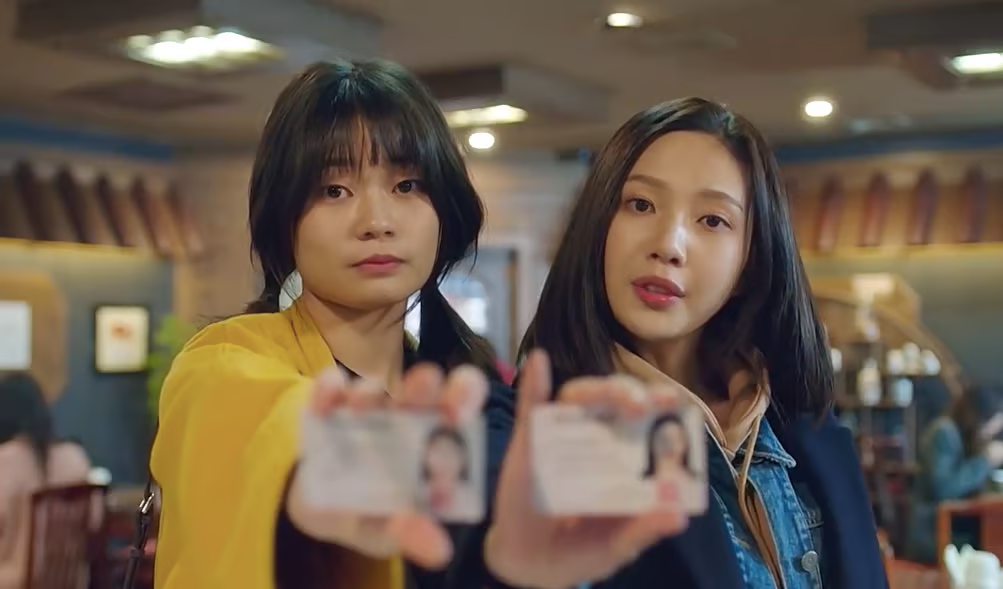
韩国是一个注重年龄和辈分的国家。在一个团体或者家庭里年龄最小的成员韩语中被称为“忙内”。中国的老幺往往是最受宠爱的孩子,韩国的“忙内”虽然受到长辈的宠爱,但作为整个“食物链”最底层的人,还得看着哥哥姐姐的脸色干活。
海归 90 后韩小姐今年春天刚入职心仪的公司。上班第一天她就发现,自己除了是职场菜鸟以外还是组里的“忙内”。初入职场、干劲十足、充满希望和激情的韩小姐很快就被琐碎而繁杂的事务折磨得筋疲力尽。作为组里的“忙内”,她每天得提前 30 分钟到办公室;下班还不能走在前辈们前面;跑腿买是理所当然的,还必须记住每个人的口味喜好。除了负责自己的业务,组里大大小小的业务都得帮忙,例如开会时要帮忙端茶倒水,整理会议室等,下班后同事聚餐还得负责制造气氛。
为了摆脱“忙内”身份的束缚,韩小姐向组里领导提议同事间用英文名字称呼,淡化前后辈这种年龄职位的区分。组里领导没有立即否决她的提议,反而向组里的人征求意见,这引起组里前辈们的反感,认为韩小姐不尊重他们,没有团体意识。结果,作为“忙内”的韩小姐从此就更忙了。
网络上使用“忙内”频率最高的是偶像团体粉丝。韩国人总喜欢把偶像团体的“忙内”挑出来让大家认识,所以这些年纪最小的“忙内”们反而得到更多的关注,甚至发展成为“忙内时尚”。如果队里年龄最小的身高却很高,粉丝会称呼他为“巨婴忙内”。这里的“巨婴”是为了强调身高和年龄的反差,并没有贬斥他心智不成熟的意思。
韩国受儒家文化影响,重视长幼尊卑的观念,对长辈要用敬语,对平辈或晚辈用半语。这是韩国人一出生就得学会的礼节。在美国生活了多年再回到韩国的“忙内”朴小姐非常不适应这种“忙内”文化,为了提升自己在家里的地位她开始对家人说英文。
“说英文的时候,仿佛自己不是‘忙内’,你能感觉到大家都是平等的。”她说。
以上内容原载于网络,由流利说®阅读团队修改编辑。