讲解人 · Ronan

原文
A new study led by Professor Julio Mercader Florín has examined how Homo erectus thrived in challenging landscapes, using archeological and environmental evidence from Olduvai Gorge.
“Things like extreme climate change leading to desertification would have been really difficult for hominins to survive.
But we find plenty of evidence for hominin activity under environmental conditions — climate, vegetation — that suggest really hot and dry periods.”
These findings challenge previous assumptions that early humans avoided extreme environments.
Instead, Homo erectus appears to have demonstrated a remarkable ability to adapt to varying and often inhospitable conditions.
Mercader’s team also discovered evidence that Homo erectus repeatedly returned to specific locations within the landscape over thousands of years, signifying strategic use of resources.
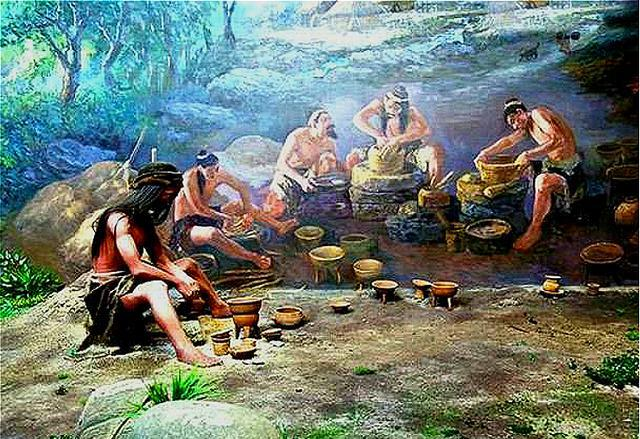
They not only inhabited diverse ecosystems, from rainforests to deserts, but also likely displayed advanced skills such as crafting tools, managing resources, and possibly even building boats to cross oceanic straits.
Such behaviors highlight their intelligence and ability to collaborate in complex ways, laying the groundwork for the eventual success of Homo sapiens.
This study reshapes our understanding of early human capabilities.
Long before modern humans emerged, Homo erectus demonstrated resilience and ingenuity, thriving in environments ranging from arid deserts to lush rainforests.
By piecing together evidence from diverse scientific disciplines, researchers have provided a vivid glimpse into the lives of our ancient predecessors, affirming their resourcefulness and setting the stage for further exploration of the human evolutionary journey.
带着问题听讲解
- Olduvai Gorge 被称作什么?
- 如何理解“生态系统”的概念?
- 直立人的哪些行为凸显了他们的智慧以及协作能力?
讲解
重点词汇
cradle
/ˈkreɪ.dəl/
n. 摇篮;发源地
- 例句:Athens is often regarded as the cradle of democracy.搭配短语:from (the) cradle to (the) grave词性拓展:cradle(v. 轻轻抱着)
- 搭配短语:cradle a baby in one's arms
a wealth of
丰富的,大量的
- 近义词:a very large number/amount of搭配短语:a wealth of information相关词汇:abundance(n. 充裕,丰富)
- 搭配短语:an abundance of
- 搭配短语:in abundance
- 例句:Food is in abundance.
archeological
/ˌɑːr.ki.əˈlɑː.dʒɪ.kəl/
adj. 考古学的
- 词性拓展:archaeology(n. 考古学)
- 英文释义:history of ancient times
相关词汇:archaic(adj. 古代的;过时的)- 近义词:ancient;outdated and old-fashioned
- 例句:The system is archaic and unfair and needs changing.
搭配短语:archaeological excavations and evidence
landscape
/ˈlænd.skeɪp/
n. 景观,地貌;形势
- 英文释义:everything you can see when you look across a large area of land搭配短语:rural/industrial/urban landscape词义辨析:landscape,scenery,sight
- landscape 强调眼睛看见的景物,不仅包含自然风光,还有人文景观;scenery 表示风景时,则更强调 natural features of an area 即自然景观;sights 一般用复数,表示旅游的风景名胜。
搭配短语:change in the political landscape
desertification
n. 荒漠化,沙漠化
- 词性拓展:desert(n. 沙漠/v. 抛弃;离开)
- 搭配短语:a cultural desert
- 例句:He deserted his wife for another woman.
- 近义词:abandon
vegetation
/ˌvedʒ.əˈteɪ.ʃən/
n. 植物,草木
- 例句:It's covered in green vegetation.相关词汇:vegetate(v. 无所事事)
- 例句:He spends all his free time at home vegetating in front of the TV.
inhospitable
/ˌɪn.hɑːsˈpɪt.ə.bəl/
adj. 不适宜居住的;不好客的
- 反义词:hospitable(adj. 热情好客的;适宜居住的)
- 搭配短语:kind and hospitable
- 例句:The locals are hospitable and welcoming.
- 例句:The Sahara is one of the world's least hospitable regions.
近义词:unwelcoming- 例句:The room is cold and unwelcoming in winter.
repeatedly
/rɪˈpiː.tɪd.li/
adv. 一再,多次
- 词性拓展:repetition(n. 重复)
- 搭配短语:learning by repetition
词性拓展:repetitive/repetitious(adj. 枯燥乏味的)- 例句:Factory workers usually do repetitive jobs.
- 搭配短语:repetitive tasks
inhabit
/ɪnˈhæb.ɪt/
v. 居住
- 词根词缀:in-(进入,使);habit(持有,握住)搭配短语:inhabit a place近义词:live in词性拓展:inhabitant(n. 居民)
- 近义词:resident
词性拓展:habitation(n. 居住)- 例句:The place is unfit for human habitation.
词性拓展:uninhabitable(adj. 不适宜居住的)
strait
/streɪt/
n. 海峡;困境
- 搭配短语:in dire/desperate straits
- 例句:The firm is now in dire financial straits.
lay the groundwork for
打基础
- 相关词汇:groundwork(n. 基础工作,准备工作)
- 近义词:foundations;basis
例句:Yesterday's meeting was to lay the groundwork for the task ahead.近义词:pave the way for
resilience
/rɪˈzɪl.jəns/
n. 复原力;恢复力;平复心情
- 词性拓展:resilient(adj. 有韧性的;适应性强的)
- 例句:Rubber band is pretty resilient.
- 例句:Children are often very resilient.
例句:The company has remarkable resilience and always manages to bounce back after difficulties.
ingenuity
/ˌɪn.dʒəˈnjuː.ə.t̬i/
n. 心灵手巧,善于创造发明;足智多谋
- 词性拓展:ingenious(adj. 足智多谋的,心灵手巧的;精巧的)
- 词根词缀:in-(进入;使);gen(生育,出生)
- 派生词:gene(n. 基因);engine(n. 引擎)
- 搭配短语:an ingenious invention
- 例句:She's very ingenious when it comes to finding excuses.
- 相关词汇:ingenuous(adj. 天真的,单纯的)
- 近义词:naive
- 例句:You're too ingenuous.
英文释义:the ability to invent things or solve problems in clever new ways
arid
/ˈer.ɪd/
adj. 干燥的,干旱的;无新意的
- 搭配短语:arid regions搭配短语:an arid discussion近义词:dry
- 英文释义:dull and uninteresting
- 例句:The academic phrases are dry and boring.
lush
/lʌʃ/
adj. 茂盛的,繁茂的;奢侈的
- 搭配短语:the lush green countryside搭配短语:lush vegetation搭配短语:a lush apartment近义词:luxurious
piece together
拼凑起来
- 搭配短语:piece together a jigsaw搭配短语:piece together what had happened to work out the truth
glimpse
/ɡlɪmps/
n. 看一看;瞥见;短暂的体验
predecessor
/ˈpred.ə.ses.ɚ/
n. 前任,前辈;前身
拓展阅读