讲解人 · Natasha

原文
Despite feeling a bit self-conscious as puzzled bystanders watched, he made the habit a core part of his exercise routine — and started to have a lot of fun with it.
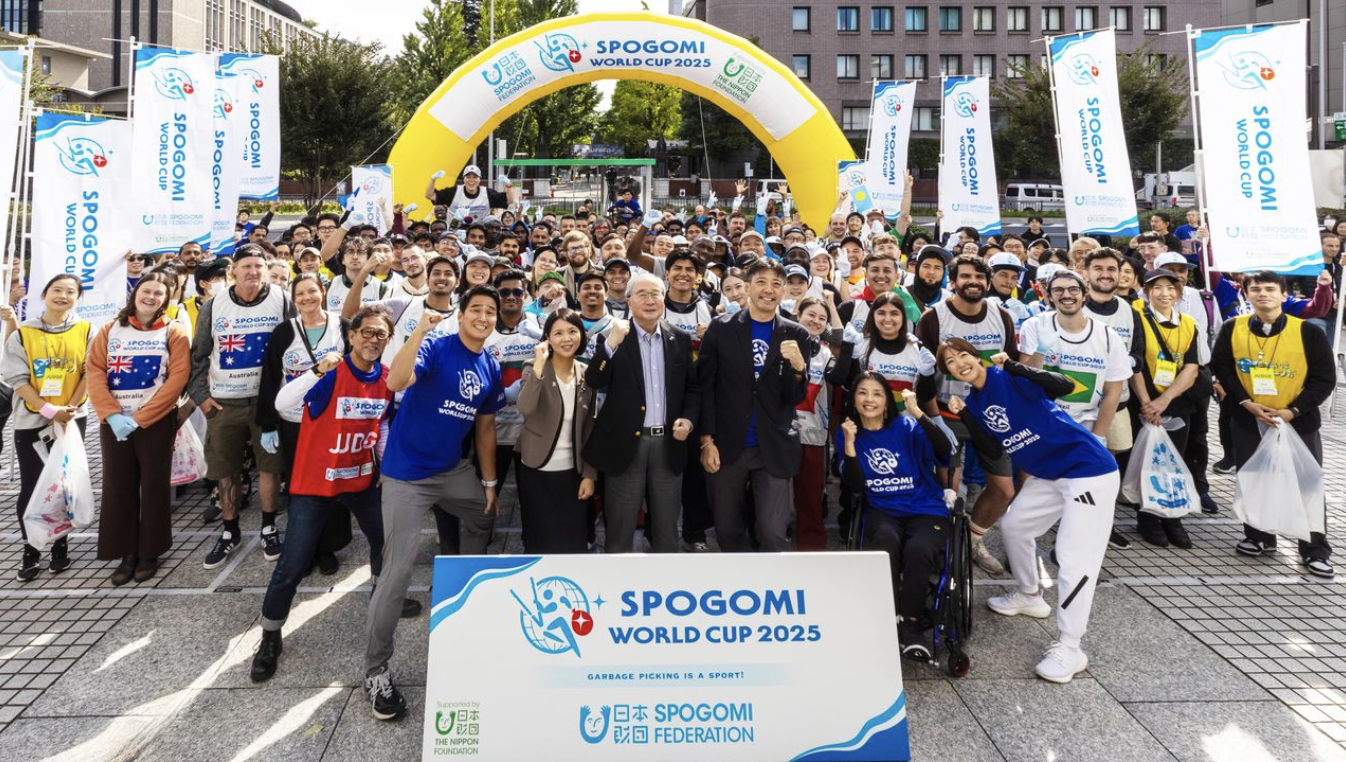
Mamitsuka, who has a background in organizing social sports, was inspired to turn his hobby in to an organized sport called spogomi, a portmanteau of the word “sport” and “gomi, “ the Japanese term for trash.
What separates spogomi from more casual recreational trash pickup — like “plogging” (picking up litter while jogging) — is the rulebook.
Spogomi teams are typically given 45 minutes to collect trash in a designated area, followed by 15 minutes to rush back to base to avoid facing penalties for tardiness.
Running is not allowed, and team members must remain within 32 feet of each other at all times.
Once the trash is returned, each team has 20 minutes to sort their collected trash into the correct bins.
Winners are decided based on trash weight and high-value items, such as cigarette butts.
Though many people initially get involved in spogomi for the love of the game, ambassadors of the sport also hope that it will raise awareness about the prevalence of litter in their communities and even broader environmental challenges.
“Environmental issues — especially marine litter — are global problems that affect all of humanity.
Spogomi is a way for everyone, anywhere in the world, to take part and contribute, even in a small way, “ Mamitsuka says.
带着问题听讲解
- 如何理解文章中的 prevalence 一词?
- Spogomi 比赛最终胜负是根据什么来决定的?
- Spogomi 的发起人为什么想把捡垃圾发展成一项有组织的运动?
讲解
重点词汇
pick up
捡起;学会
- 搭配短语:pick up a pen(捡起)搭配短语:pick up a new skill(学会)
avid
/ˈæv.ɪd/
adj. 渴望的;热衷的;干劲十足的
- 英文释义:extremely eager or interested搭配短语:an avid reader搭配短语:an avid fan of football
on a whim
一时兴起;心血来潮
- 相关词汇:whim(n. 突发的念头,一时的兴致)英文释义:If you do something on a whim, you do it suddenly, without planning it.例句:I bought a bunch of flowers on a whim.
self-conscious
adj. 不自然的,难为情的
- 相关词汇:conscious(adj. 意识到的;注意到的)
- 例句:She's very conscious of the problems involved.
词根词缀:self-(自己)例句:Many people feel self-conscious when giving a speech in public for the first time.
puzzled
/ˈpʌz.əld/
adj. 感到困惑的;茫然的
- 相关词汇:puzzle(v. 使困惑;使迷惑)搭配短语:a puzzled look例句:He looked puzzled so I repeated the question.
bystander
/ˈbaɪˌstæn.dɚ/
n. 旁观者;看热闹的人
- 词根词缀:by-(在旁边)+ stand(站立)+ -er(者)例句:Many bystanders gave a helping hand when the accident happened.
portmanteau
/pɔːrtˈmæn.toʊ/
n. 混合词,合成词
- 相关词汇:brunch(breakfast + lunch)相关词汇:motel(motor + hotel)
recreational
/ˌrek.riˈeɪ.ʃən.əl/
adj. 娱乐的;休闲的
- 相关词汇:recreate(v. 娱乐;消遣)相关词汇:recreation(n. 娱乐;消遣;休闲活动)英文释义:relating to activities that you do for pleasure when you are not working搭配短语:recreational activities搭配短语:recreational facilities
rulebook
/ˈruːl.bʊk/
n. 规则手册
- 相关词汇:rule(n. 规则)相关词汇:book(n. 书)英文释义:the set of rules that must be followed in a particular job, organization or game例句:You should read the rulebook before taking part in the competition.
designated
/ˈdezɪɡneɪtɪd/
adj. 指定的;特指的;专门的
- 相关词汇:designate(v. 指定;指派;选定)搭配短语:designated area搭配短语:designated driver
penalty
/ˈpen.əl.ti/
n. 惩罚;处罚;罚金
- 英文释义:a punishment for breaking a rule, law, or contract搭配短语:penalty for sth.
- 例句:The penalty for travelling without a ticket is £200.
搭配短语:penalty kick(点球)
tardiness
/ˈtɑːr.di.nəs/
n. 迟到;迟缓
- 相关词汇:tardy(adj. 迟到的;迟缓的)词根词缀:-ness(名词后缀)英文释义:the fact of arriving, happening or being done late搭配短语:tardiness for school例句:The teacher has zero tolerance for tardiness.反义词:punctuality(n. 准时;守时)
at all times
始终;一直
- 例句:Safety glasses must be worn at all times in the lab.
sort
/sɔːrt/
v. 整理;把……分类
- 例句:Rubbish can easily be separated and sorted into plastics, glass and paper.搭配短语:sort out(整理;解决)
- 搭配短语:sort out the papers(整理)
- 搭配短语:sort out a problem(解决)
butt
/bʌt/
n. 烟蒂;烟头
- 英文释义:the end of a cigarette after most of it has been smoked例句:Don't throw cigarette butts everywhere.
ambassador
/æmˈbæs.ə.dɚ/
n. 代表人物,推广者;大使
- 搭配短语:a Chinese ambassador to the US(大使)英文释义:someone who represents a particular sport, business etc because they behave in a way that people admire(代表人物,推广者)搭配短语:brand ambassador(代表人物,推广者)搭配短语:environmental ambassador(代表人物,推广者)
prevalence
/ˈprev.əl.əns/
n. 普遍;盛行;流行;泛滥
- 相关词汇:prevalent(adj. 普遍的;盛行的)英文释义:the fact that something is very common or exists in large numbers搭配短语:the prevalence of sth.
- 例句:The prevalence of garbage classification has improved the urban environment in recent years.
marine
/məˈriːn/
adj. 海洋的;海生的;海事的
- 英文释义:relating to the sea and the creatures that live there搭配短语:marine industry搭配短语:marine life例句:Marine pollution has caused great harm to marine life.
拓展阅读